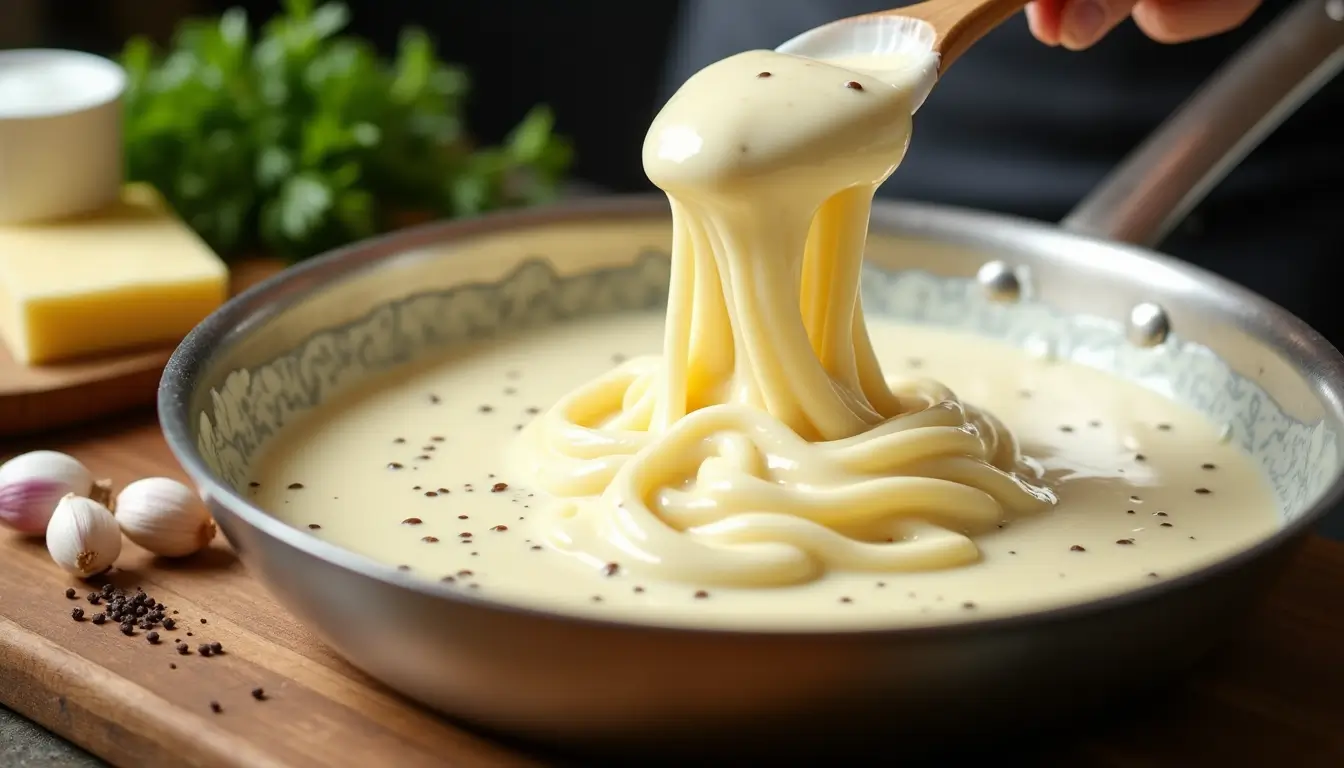
Mastering Alfredo: Achieve Restaurant-Quality Creaminess From Scratch
Imagine a pasta night elevated to an extraordinary culinary experience, where each forkful transports you to an authentic Italian trattoria. This isn't a dream accessible only to professional chefs; it's entirely within your reach with a truly luscious, homemade **alfredo sauce**. Forget the jarred alternatives; once you master the art of making this velvety sauce from scratch, you'll discover a world of rich, satisfying flavor that’s surprisingly easy to achieve with just a handful of affordable ingredients.
While the classic fettuccine alfredo remains a beloved staple, the versatility of a perfectly executed **alfredo sauce** extends far beyond pasta. From enriching casseroles and roasted vegetables to serving as a decadent base for pizza or chicken dishes, a well-made alfredo is a culinary game-changer. This comprehensive guide will walk you through every step, ensuring you're well-equipped to create a silky, irresistible sauce that will become a new family favorite.
The Allure of Authentic Alfredo: A Culinary Journey
The story of alfredo sauce is a fascinating one, rooted in the simplicity of Italian tradition. Legend has it that Alfredo Di Lelio, a Roman restaurateur, created the original Fettuccine Alfredo in the early 20th century to entice his wife to eat after an illness. His dish was incredibly simple: fresh fettuccine tossed with just butter and freshly grated Parmigiano-Reggiano cheese. The creamy texture was achieved by emulsifying the melting cheese with the butter and starchy pasta water. It was only as the dish gained popularity in the United States that rich heavy cream was introduced to the recipe, giving us the decadent, velvety texture we now commonly associate with modern **alfredo sauce** recipes.
So, why go the homemade route when store shelves are stocked with convenient options? The answer lies in unparalleled freshness, depth of flavor, and control over ingredients. Homemade alfredo allows you to select high-quality components, free from artificial additives and preservatives, resulting in a taste that is simply superior. It’s a testament to the magic of minimalism: a few humble ingredients, when treated with care, can yield something truly extraordinary.
The Essential Ingredients for a Flawless Alfredo Sauce
The beauty of a classic **alfredo sauce** lies in its simplicity, relying on the quality of just four core ingredients (plus salt and pepper). Don't be tempted to cut corners; each component plays a vital role in achieving that signature restaurant-quality creaminess.
- Unsalted Butter: Start with good quality butter. Unsalted butter allows you to control the seasoning precisely. It provides the initial richness and helps emulsify the sauce.
- Fresh Garlic: While optional for some purists, a clove or two of finely minced fresh garlic adds a subtle depth and aromatic sweetness that many appreciate. Avoid garlic powder for this recipe; fresh makes all the difference.
- Heavy Cream: This is the "secret ingredient" for the rich, velvety texture of modern alfredo. The high-fat content of heavy cream (or whipping cream) is crucial for thickening and providing that luxurious mouthfeel. Do not substitute with milk or half-and-half, as they lack the necessary fat for a truly creamy result.
- Parmesan Cheese (Parmigiano-Reggiano): This is arguably the most critical ingredient. For the pronounced, intense, fresh flavor and best melting consistency, you *must* use freshly grated Parmesan cheese, ideally authentic Parmigiano-Reggiano. Pre-shredded cheese often contains anti-caking agents like cellulose, which prevent it from melting smoothly, leading to a grainy or clumpy sauce. Resist the temptation to shortcut with cream cheese; while it adds creaminess, it completely alters the flavor profile, moving away from classic alfredo.
- Salt and Freshly Ground Black Pepper: To taste. A tiny pinch of freshly grated nutmeg is also a traditional, optional addition that can enhance the creaminess and add a subtle warmth to the sauce without being overtly spicy.
Step-by-Step Guide to Crafting Your Perfect Alfredo Sauce
Creating an authentic, creamy **alfredo sauce** is less about complex techniques and more about understanding ingredient interactions and heat control. Here’s how to do it:
- Prep Your Ingredients: Before you start cooking, have all your ingredients measured and ready. Most importantly, grate your Parmesan cheese finely. Having it ready means you won't rush the crucial final step.
- Infusing Flavor (Butter & Garlic):
- In a medium saucepan, melt 4-6 tablespoons of unsalted butter over medium-high heat. The key here is to melt it gently; do not let it brown. A hallmark of classic alfredo is its creamy white color, which can be compromised by browned butter.
- Add 1-2 cloves of finely minced fresh garlic to the melted butter. Cook for just about 1 minute, stirring constantly. This step is designed to mellow the raw garlic flavor and bring out its sweeter, aromatic notes without allowing it to burn or brown, which would make it bitter.
- Building the Creamy Base:
- Carefully pour 1.5-2 cups of heavy cream into the saucepan with the melted butter and garlic.
- Add salt and freshly ground black pepper to taste. If using, now is the time to add a tiny pinch of grated nutmeg.
- Bring the butter-cream mixture to a gentle boil, then immediately reduce the heat to a low simmer. Let it simmer gently, uncovered, for about 3 to 5 minutes. Stir frequently with a wooden spoon or whisk. The goal here is to allow the sauce to reduce slightly and begin to thicken. You'll know it's thickening enough when it starts to coat the back of your spoon.
- The Cheese Factor (A Critical Step for Smoothness):
- This step is absolutely vital for achieving a smooth, clump-free sauce. Remove the pan from the heat entirely before adding the Parmesan cheese. High heat can cause the cheese proteins to seize up, leading to a stringy, clumpy, or oily sauce rather than a beautifully emulsified one.
- Gradually stir in 1 cup of freshly grated Parmesan cheese. Continue stirring vigorously with a whisk or wooden spoon until the cheese is completely melted and smoothly incorporated into the sauce. The residual heat from the cream will be enough to melt the cheese perfectly.
Your rich, creamy, homemade **alfredo sauce** is now ready to enjoy!
Beyond Fettuccine: Unlocking the Versatility of Alfredo
While tossing this magnificent sauce with hot, cooked fettuccine pasta is undoubtedly a classic and incredibly satisfying experience, the journey doesn't end there. To maximize the enjoyment of your homemade **alfredo sauce**, remember to toss it with hot pasta immediately after draining. The warmth of the pasta helps the sauce adhere beautifully, and a tablespoon or two of reserved pasta water can be added for extra creaminess or to loosen the sauce if it becomes too thick. For more ideas on expanding your culinary repertoire, explore our article on
Unlock Endless Dishes: The Versatile Appeal of Homemade Alfredo Sauce.
Here are just a few ideas for how you can incorporate this versatile sauce into other dishes:
- Chicken Alfredo: Sautéed or grilled chicken breast slices folded into the sauce and served over pasta is a restaurant favorite for a reason.
- Vegetable Enhancer: Drizzle over steamed or roasted vegetables like broccoli, asparagus, or cauliflower for a decadent side dish.
- Casseroles and Bakes: Use it as a creamy base for pasta bakes, potato gratin, or even a delightful chicken and broccoli casserole.
- Pizza Sauce: Replace traditional tomato sauce with alfredo for a rich, white pizza base, often topped with chicken, spinach, or mushrooms.
- Seafood Delight: Toss with pan-seared shrimp, scallops, or crab meat for a luxurious seafood alfredo.
- Creamy Dips: A slightly thicker alfredo can be a fantastic base for warm dips, perhaps with artichokes and spinach.
Troubleshooting Common Alfredo Issues & Expert Tips
Even seasoned cooks can encounter a hiccup or two. Here are some solutions and additional tips to ensure your alfredo is always perfect:
- Sauce Too Thin? If your sauce isn't thickening enough after simmering, continue to cook it gently over low heat, stirring frequently, until it reaches your desired consistency. You can also carefully whisk in a bit more freshly grated Parmesan cheese (off the heat!) for added body.
- Sauce Too Thick? If the sauce becomes too thick, particularly after sitting, you can loosen it with a splash of warm milk, cream, or, ideally, reserved hot pasta water. Stir until it reaches the desired consistency.
- Sauce Breaking or Oily? This often happens if the cheese is added to too-hot liquid or if the cheese itself is low quality. If your sauce looks separated or oily, remove it from the heat and whisk vigorously. Sometimes adding a tiny bit of warm water or milk while whisking can help re-emulsify it.
- Temperature Matters: Ensure your heavy cream and butter are at room temperature for the best results, as this helps prevent temperature shock when ingredients are combined.
- Serve Immediately: Alfredo sauce is best enjoyed fresh off the stove. Its consistency changes as it cools, so prepare your pasta and other components to be ready to toss and serve as soon as the sauce is complete.
For more detailed advice on perfecting your pasta dishes, be sure to check out our guide on
Elevate Your Pasta: Essential Tips for Truly Creamy Alfredo Sauce.
Conclusion
Mastering homemade **alfredo sauce** is a culinary skill that offers immense reward for minimal effort. By understanding the role of each ingredient and paying attention to simple techniques, particularly heat control when adding cheese, you can consistently achieve a velvety, restaurant-quality sauce that will impress every time. From its humble origins to its present-day versatility, alfredo remains a testament to the power of fresh, quality ingredients. So, embrace the joy of cooking from scratch, and prepare to elevate your meals with this incredibly creamy, utterly delicious masterpiece. Your culinary journey to Italy starts in your kitchen!