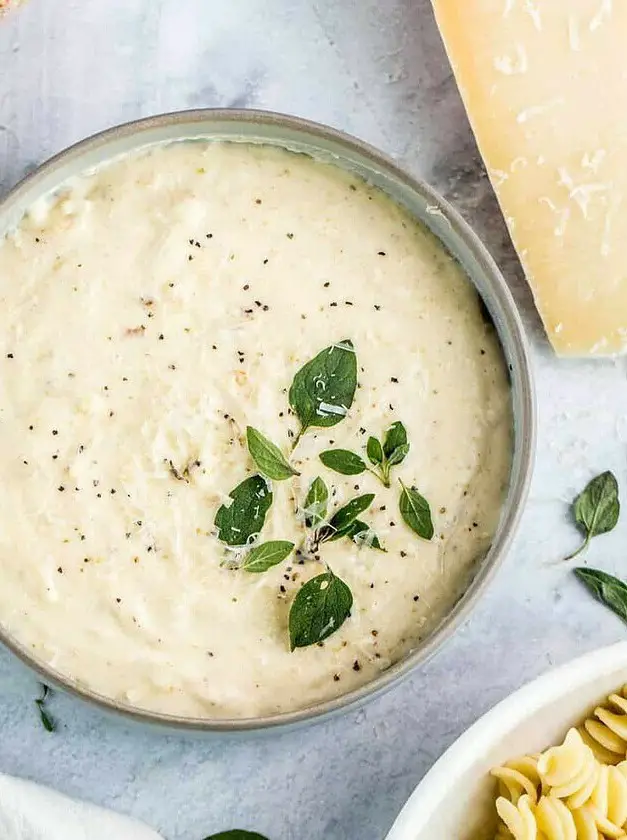
Elevate Your Pasta: Essential Tips for Truly Creamy Alfredo Sauce
Imagine a pasta night transformed: a rich, velvety Alfredo sauce clinging perfectly to every strand of fettuccine, each bite a symphony of creamy, cheesy delight. While many relegate this experience to restaurant dining, achieving a truly transcendent, homemade
alfredo sauce is surprisingly simple. Forget the jarred versions and embrace the culinary magic that unfolds with just a few quality ingredients and a precise technique. This guide will walk you through the essential steps and insider tips to create an
alfredo sauce so luscious, you'll feel instantly transported to a cozy Italian trattoria.
Beyond its classic pairing with fettuccine, homemade
alfredo sauce is a remarkably versatile hero in the kitchen. It can elevate humble weeknight meals, serving as a luxurious base for casseroles, a decadent topping for steamed vegetables, or even a sophisticated spread for homemade pizza. Mastering this fundamental sauce means you're always just minutes away from a host of delicious dishes that will impress your family and friends. The secret to its irresistible allure lies in understanding the synergy between key ingredients and executing the steps with care.
The Foundation of Flavor: Choosing Your Alfredo Ingredients Wisely
While deceptively simple, the quality of your ingredients is paramount when crafting a truly creamy and flavorful
alfredo sauce. With only a handful of components, each one plays a starring role in the final masterpiece.
The Star: Freshly Grated Parmesan or Parmigiano-Reggiano
This is perhaps the most critical component. While pre-shredded Parmesan might seem like a time-saver, it simply cannot compare to the intense, nutty, and fresh flavor derived from grating a block of high-quality Parmesan or, even better, authentic Parmigiano-Reggiano cheese just before use. Pre-shredded varieties often contain anti-caking agents that can hinder smooth melting, leading to a gritty or clumpy sauce rather than a silky one. Resist the temptation to shortcut with alternatives like cream cheese; while it might add thickness, it dramatically alters the authentic flavor profile of a classic
alfredo sauce. Investing in a good wedge of cheese is a non-negotiable step for a superior result.
The Richness Factor: High-Quality Butter and Heavy Cream
The "cream" in creamy
alfredo sauce isn't just a suggestion – it's the very soul of its texture. Heavy cream (with at least 36% milk fat) is essential for achieving that characteristic richness and silky mouthfeel. Avoid lighter creams or milk, as they simply won't yield the same luxurious consistency. For the butter, opt for unsalted butter, as it gives you complete control over the final seasoning. A good quality butter will also impart a more nuanced flavor to your sauce.
The Aromatic Touch: Fresh Garlic
Garlic adds a subtle depth and warmth to the sauce without overpowering the delicate balance of cream and cheese. Fresh garlic is always preferred. The key here is not to brown the garlic, but rather to gently "sweat" it in the butter, mellowing its raw bite and coaxing out sweeter, more complex roasted flavors. This ensures the garlic enhances the sauce without introducing any harshness.
Mastering the Method: Step-by-Step for a Perfect Alfredo Sauce
With your quality ingredients at the ready, the technique becomes equally important. Precision and gentle handling are the keys to a restaurant-quality
alfredo sauce.
Step 1: Infusing the Butter with Garlic
Begin by melting your unsalted butter in a heavy-bottomed saucepan over medium-high heat. Pay close attention to the butter; its creamy white color is a hallmark of alfredo sauce, so prevent it from browning, which would impart a nutty, darker flavor. Once the butter is melted and gently shimmering, add your minced fresh garlic. Cook it for just about one minute, stirring constantly. This brief sauté softens the garlic and releases its aromatic oils into the butter without allowing it to burn.
Step 2: The Cream's Gentle Transformation
Carefully pour the heavy cream into the saucepan with the infused butter and garlic. Add a pinch of salt and a grind of fresh black pepper to taste. Bring this mixture to a gentle boil, then immediately reduce the heat to a low simmer. Let it simmer gently, uncovered, for approximately 3 to 5 minutes, stirring frequently with a wooden spoon or whisk. The goal here is to allow the cream to slightly reduce and thicken. You'll know it's ready when the sauce begins to visibly thicken and coats the back of your spoon without running off immediately. Be patient and keep the heat low to prevent scorching.
Step 3: The Art of Cheese Integration
This step is critical for a smooth, lump-free
alfredo sauce. Once your cream has thickened, remove the pan completely from the heat. This is crucial because high heat can cause the delicate proteins in the Parmesan cheese to seize, leading to a clumpy, stringy, or oily texture rather than a perfectly smooth melt. Immediately stir in your freshly grated Parmesan or Parmigiano-Reggiano cheese. Continue stirring vigorously until the cheese is fully incorporated and has melted seamlessly into the warm cream, creating a homogeneous, silky sauce.
Step 4: Pairing with Pasta and Serving
Your velvety
alfredo sauce is now ready to meet its pasta. For the best results, toss the sauce immediately with hot, freshly cooked, and well-drained pasta (fettuccine is classic, but penne, linguine, or even tortellini work beautifully). A secret tip for extra creaminess and better adherence is to reserve about half a cup of the starchy pasta water before draining. If your sauce seems too thick when tossing, add a tablespoon or two of this reserved water to achieve the perfect consistency. Serve immediately, garnished with a little extra grated Parmesan and fresh parsley if desired.
Elevating Your Alfredo: Tips for Customization and Beyond
While the classic
alfredo sauce is perfect on its own, its rich base provides an excellent canvas for culinary creativity. For those eager to explore additional ways to use this versatile sauce and elevate their meals, dive into our comprehensive guide on
Unlock Endless Dishes: The Versatile Appeal of Homemade Alfredo Sauce.
*
Protein Power-Ups: Transform your dish into a complete meal by adding pan-seared chicken breast, succulent shrimp, flaky salmon, or even crispy bacon bits.
*
Veggie Enhancements: Boost the nutritional value and texture by folding in blanched broccoli florets, sautéed mushrooms, wilted spinach, or roasted asparagus.
*
Herb & Spice Twists: A tiny pinch of freshly grated nutmeg can enhance the creaminess and depth of flavor. Freshly chopped parsley adds brightness, while a hint of red pepper flakes can introduce a subtle warmth.
*
Reheating Tips: Alfredo sauce is best enjoyed fresh. If you have leftovers, gently reheat them over low heat, stirring frequently. If it appears too thick, add a splash of milk, cream, or reserved pasta water to bring it back to a desirable consistency. Avoid high heat, which can cause the sauce to separate.
For an even deeper dive into perfecting your technique and achieving the ultimate restaurant-quality creaminess every time, be sure to read
Mastering Alfredo: Achieve Restaurant-Quality Creaminess From Scratch.
Conclusion
Crafting a truly creamy, deeply flavorful
alfredo sauce at home is not just achievable; it's a rewarding culinary experience. By prioritizing fresh, high-quality ingredients and adhering to precise, gentle techniques, you can easily bypass bland jarred sauces and bring the authentic taste of Italy into your kitchen. From the careful grating of Parmesan to the gentle simmering of cream, each step contributes to a luxurious result that will undoubtedly elevate your pasta nights. So, roll up your sleeves, embrace the simple magic, and prepare to indulge in the most exquisite homemade
alfredo sauce you've ever tasted.